
Table of Contents
You’re burning $5,000 monthly on ads. Your sales team makes 100 calls daily. Yet your pipeline stays empty.
The problem isn’t effort. It’s targeting. And that’s exactly where lead generation agencies come in.
This guide breaks down what these agencies actually do, what they cost, and whether you need one. No fluff, just the data you need to make a smart decision.
What Is a Lead Generation Agency?
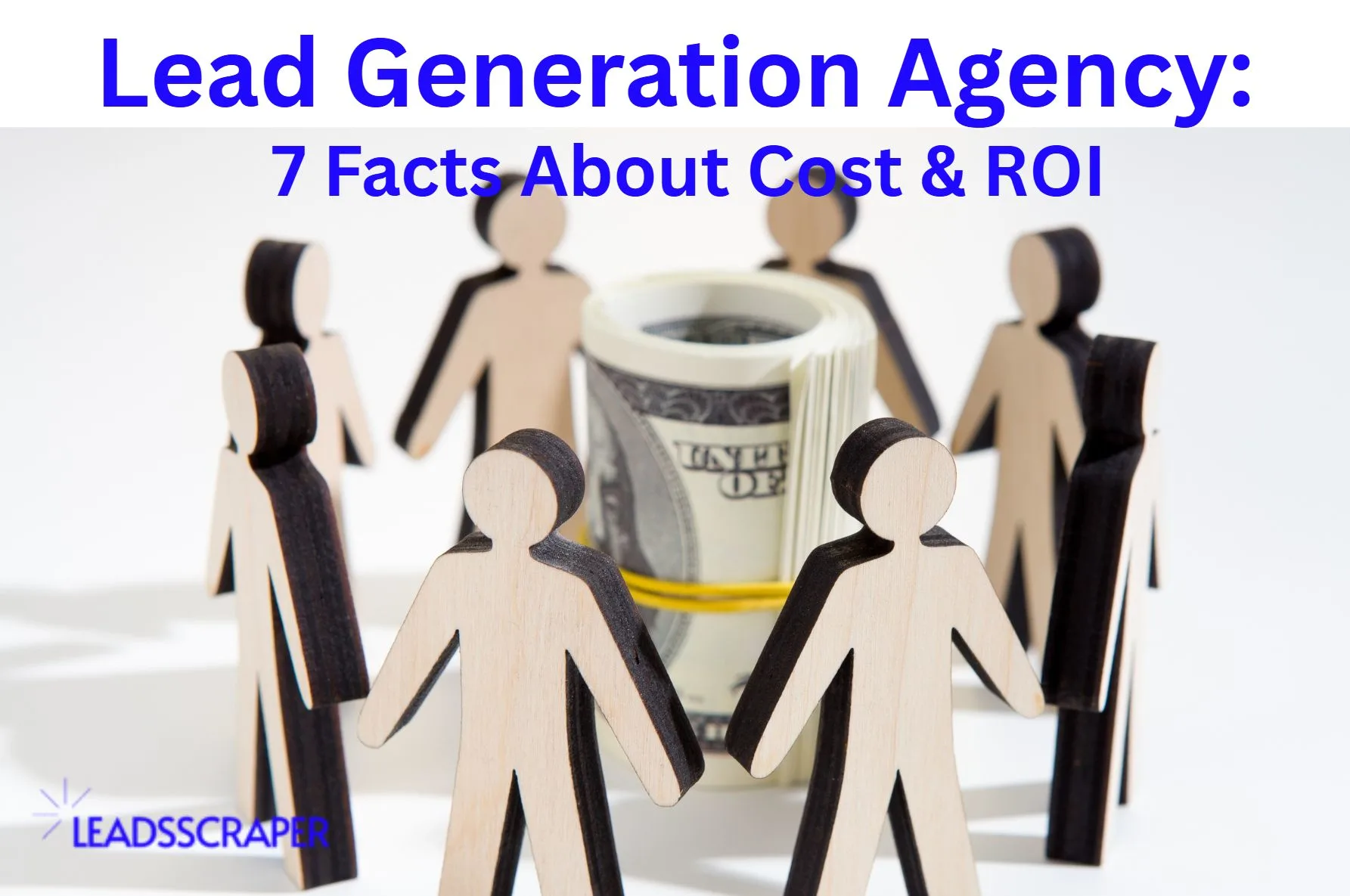
A lead generation agency is a specialized firm that builds systems to attract, qualify, and deliver sales-ready prospects to your team. Think of them as an extension of your sales operation focused exclusively on filling your pipeline.
These agencies handle everything from identifying your ideal customer profile to executing multi-channel campaigns that capture contact information. The best ones don’t just deliver names and emails—they provide qualified prospects who match your buying criteria and show genuine purchase intent.
The landscape shifted dramatically in 2024-2025. Modern agencies now combine AI-powered lead scoring, predictive analytics, and automated outreach. Performance-based pricing models emerged, where you only pay for qualified meetings booked. Some agencies specialize in specific methods: inbound content strategies, outbound cold campaigns, or account-based marketing for enterprise deals.
1. Services: What Lead Generation Agencies Actually Deliver
Lead generation agencies typically offer a mix of strategic planning and tactical execution across multiple channels.
Most start by developing your ideal customer profile—defining exactly who you should target based on industry, company size, pain points, and buying behavior. This foundation determines everything that follows.
Inbound Lead Generation
Agencies create content that attracts prospects organically: blog posts optimized for search engines, gated resources like whitepapers, webinars that capture registrations. The goal is making your company visible when prospects search for solutions.
Outbound Lead Generation
This involves proactive outreach: cold email sequences, Professional networks messaging campaigns, appointment setting calls. Agencies research prospects, craft personalized messages, and handle initial conversations until leads show genuine interest.
Multi-Channel Orchestration
Top agencies don’t rely on single tactics. They combine email, paid ads, social media, and retargeting to reach prospects across multiple touchpoints. Research shows prospects need 7-13 interactions before converting.
Lead qualification separates tire-kickers from serious buyers. Agencies score leads based on engagement, company fit, and buying signals. They integrate with your CRM, set up nurturing workflows, and provide detailed analytics showing which campaigns drive revenue.
2. Pricing Models: What You’ll Actually Pay
Lead generation agency costs vary wildly based on services, industry complexity, and pricing structure. Here’s what to expect.
| 💰 Pricing Model | ⏱️ Typical Cost | 🎯 Best For |
|---|---|---|
| Monthly Retainer | $3,000-$15,000 | Ongoing campaigns, full-service support |
| Pay-Per-Lead | $50-$500 per lead | Clear volume needs, simple qualification |
| Performance-Based | $200-$1,000 per meeting | High-value B2B sales, risk mitigation |
| Project-Based | $5,000-$50,000 | Specific campaigns, defined scope |
Several factors push costs higher: complex target markets requiring extensive research, industries with longer sales cycles, campaigns requiring custom content creation, and premium tools for data enrichment.
ROI expectations matter more than raw costs. B2B companies typically see 3:1 to 5:1 returns on lead generation investments within six months. If your average customer value is $50,000, paying $5,000 monthly for 10 qualified opportunities makes financial sense.
3. Team Structure: Who Does the Work
Understanding agency team composition helps you evaluate capabilities and set realistic expectations.
Lead generation specialists earn $45,000-$75,000 annually, handling day-to-day campaign execution: list building, email copywriting, outreach sequences. Account managers ($60,000-$90,000) serve as your main contact, translating business goals into campaign strategies.
Senior strategists and agency owners command $80,000-$150,000+, bringing expertise in complex B2B sales cycles and multi-channel orchestration. Specialists with AI tool proficiency, advanced data analytics skills, or proven ABM experience earn premium compensation.
Career progression typically moves from specialist to senior specialist to account manager to strategist or team lead. Some professionals launch their own agencies after building expertise and client relationships.
4. Choosing the Right Agency Partner
The wrong agency wastes money and time. The right one transforms your pipeline. Here’s how to tell the difference.
Start by defining success metrics: Are you measuring lead volume, meeting bookings, closed deals, or cost per acquisition? Agencies excel at different outcomes.
Essential Questions to Ask
- What industries do you specialize in, and can you share relevant case studies?
- What’s your typical lead-to-opportunity conversion rate for companies like ours?
- How do you handle lead qualification and scoring?
- What tools do you use, and how do they integrate with our existing systems?
- What does your reporting look like, and how often do we review performance?
Red flags include guaranteeing specific lead volumes without understanding your business, refusing to share detailed case studies, lacking industry-specific experience, or using outdated tactics like purchased contact lists.
Evaluate whether you need industry specialization or prefer a generalist approach. Healthcare and financial services often require specialized compliance knowledge. Technology stack compatibility matters—confirm the agency works with your CRM and marketing automation platforms.
5. Modern Lead Generation Strategies That Work
The most effective agencies combine multiple approaches rather than relying on single tactics.
AI-powered lead scoring now predicts which prospects will convert with 75-85% accuracy, analyzing hundreds of behavioral signals. This lets sales teams focus on high-probability opportunities instead of chasing dead ends.
Hyper-personalization goes beyond inserting first names. Advanced agencies customize entire email sequences based on prospect industry, company size, technology stack, and recent business news. This approach generates 3x higher response rates than generic outreach.
Account-based marketing targets specific high-value accounts with coordinated campaigns across email, professional networking site, display ads, and direct mail. While resource-intensive, ABM delivers 208% higher revenue for targeted accounts according to recent studies.
Tools for Self-Service Lead Generation
Not every business needs a full-service agency. Tools like LeadsScraper.io let you extract verified contact information directly from Google Maps and Google Search—no coding required. You can build targeted prospect lists in minutes, export emails and phone numbers, then run your own outreach campaigns. This works particularly well for local service businesses, agencies building niche lists, or companies testing markets before committing to agency partnerships.
Content marketing remains foundational for inbound lead flow. Agencies create blog posts, guides, and resources that rank in search engines and demonstrate expertise. This builds trust before sales conversations begin.
6. Common Challenges and Solutions
Even experienced agencies face obstacles. Knowing these helps you set realistic expectations and evaluate problem-solving approaches.
| Challenge | Agency Solution |
|---|---|
| Wrong audience targeting | Data-driven ICP refinement using actual conversion data |
| Low conversion rates | A/B testing landing pages, CTAs, and follow-up timing |
| Lead quality issues | Implementing qualification frameworks and lead scoring |
| Budget constraints | Performance-based pricing focused on highest-ROI channels |
| Long sales cycles | Automated nurturing sequences maintaining engagement |
Managing lead quality versus quantity requires constant calibration. Agencies adjust targeting criteria based on which leads actually close, not just which ones respond to outreach.
High competition in digital channels pushes agencies toward differentiation through ultra-specific targeting and personalized messaging. Generic campaigns get ignored. Hyper-relevant outreach gets responses.
7. DIY vs. Agency: Making the Right Choice
The build-versus-buy decision depends on your resources, timeline, and growth goals.
Build an in-house team when you have the budget for 2-3 full-time employees ($150,000+ annually), need tight control over messaging and brand, have unique industry knowledge that’s hard to transfer, or plan long-term investment in lead generation infrastructure.
Hire an agency when you need results within 60-90 days, lack internal expertise in modern lead generation tactics, want to test strategies before committing to headcount, or need to scale quickly without recruitment delays.
✅ Pros of Agency Partnership:
- Immediate access to experienced specialists and proven systems
- Lower initial investment than building internal team
- Flexibility to scale up or down based on results
- Access to premium tools and technologies
❌ Cons of Agency Partnership:
- Less control over day-to-day execution and messaging
- Potential misalignment if agency handles multiple clients in your space
- Ongoing costs that accumulate over time
- Knowledge stays with agency when you part ways
Hybrid models work well for many companies: use agencies for specialized tactics like cold outreach while building internal content and SEO capabilities. Tools like LeadsScraper.io bridge the gap, giving you agency-level data access without agency costs. You can scrape verified business contacts from Google Maps, export complete information including emails and phone numbers, then either handle outreach internally or feed leads to your agency partner.
Maximizing Your Lead Generation ROI in 2025
Lead generation agencies solve a specific problem: filling your pipeline with qualified prospects faster than you can internally. The right partnership delivers 3-5x ROI within six months. The wrong one burns budget without results.
Focus on agencies with proven experience in your industry, transparent pricing models aligned with your goals, and technology stacks that integrate with your existing systems. Whether you choose full-service support, specialized tactics, or self-service tools, the key is matching your approach to your growth stage and resources.
The future of lead generation combines AI-powered targeting, hyper-personalized outreach, and performance-based accountability. Companies that adapt to these trends will dominate their markets. Those relying on outdated spray-and-pray tactics will waste increasingly precious marketing dollars.
Ready to start generating verified B2B leads without agency fees? LeadsScraper.io lets you scrape contact information from Google Maps and Google Search in minutes. No coding required. Export emails, phone numbers, and company details, then automate your outreach with AI-powered messaging. Try it free and see how quickly you can build a qualified pipeline.
FAQ
A lead generation agency attracts, qualifies, and delivers sales-ready prospects for your business.
Most charges between $3,000-$15,000 monthly or per-lead fees ranging from $50-$500.
Typically within 60-90 days, depending on your sales cycle and targeting accuracy.
Yes, tools like LeadsScraper.io let you build verified prospect lists yourself.
Most B2B firms see a 3:1 to 5:1 ROI within six months when targeting is correct.
Check their industry experience, pricing transparency, case studies, and CRM integrations.
LeadsScraper.io is an ideal tool as it extracts verified emails and phone numbers from Google Maps and Google Search in minutes.