Sales teams waste an average of 21 hours per week on manual prospecting. That’s over half of a full-time position spent copying contact details, qualifying leads manually, and chasing down information that’s already publicly available.
Lead generation software exists to fix this problem and eliminate this inefficiency. But what exactly does it do, and how do you choose the right one for your business?
What Is Lead Generation Software?
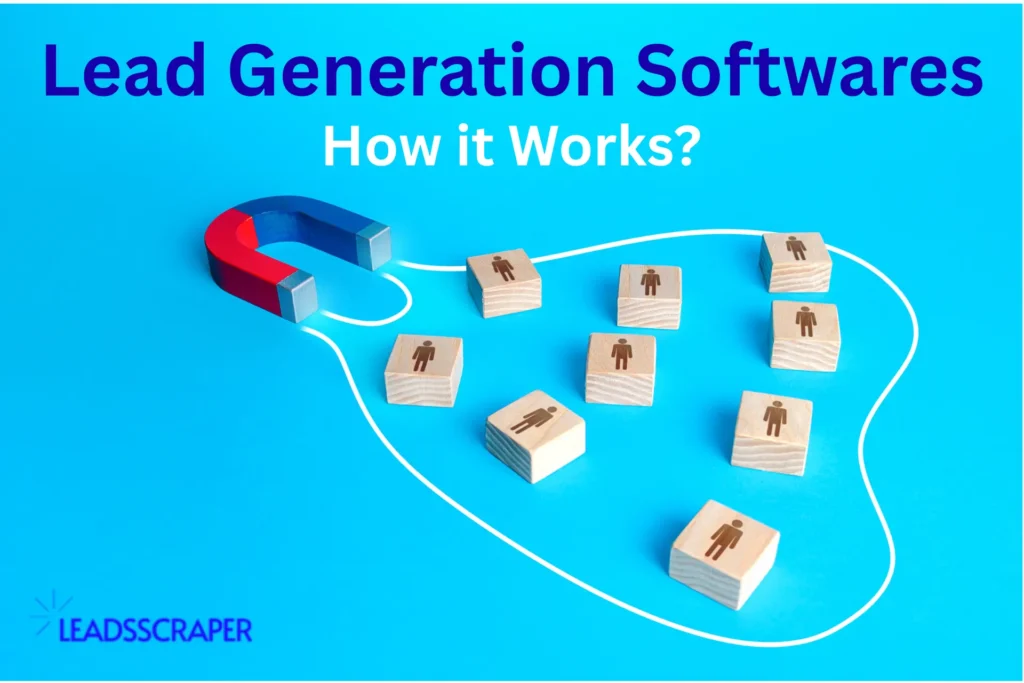
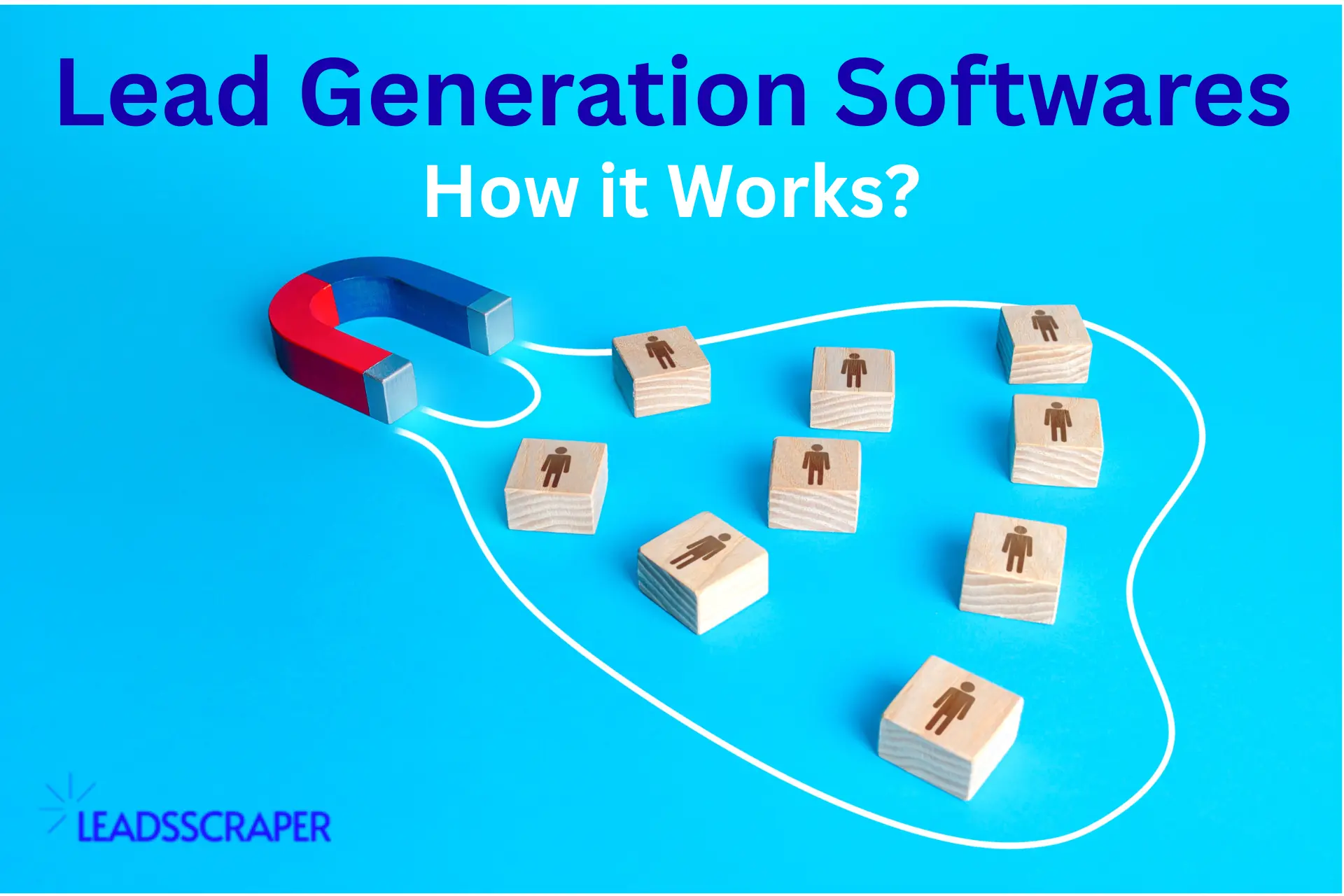
Lead generation software automates the process of finding, capturing, and managing potential customers. Instead of manually searching for prospects and copying their information into spreadsheets, these tools systematically identify leads based on your specific criteria and organize them for your sales team.
The software typically handles several core functions. It captures contact information through forms, landing pages, or direct data extraction. It qualifies leads by scoring them based on demographics and behavior. And it integrates with your CRM to keep every action and data point synchronized.
Modern platforms go further by automating follow-up sequences, enriching lead data with additional details, and providing analytics on which sources generate your most valuable prospects.
How Lead Generation Works in Software
The process starts with a clear definition of our Ideal Customer Profile (ICP). You specify industry, company size, location, job titles, or other criteria that match your target market.
The software then searches databases, websites, or platforms like Google Maps to find businesses matching those parameters. As it identifies prospects, it extracts contact details including emails, phone numbers, addresses, and websites.
Data Collection Methods
Different tools use different approaches to gather lead information:
- Web scraping: Extracts publicly available data from targeted websites and directories
- Form captures: Automatically collects information when visitors submit contact forms
- API integrations: Seamlessly pulls data from connected third-party platforms and databases
- Manual Uploads: Imports lists from existing spreadsheets or other sources
Tools like LeadsScraper.io focus on the web scraping approach, pulling verified business leads directly from Google Maps and Google Search. You enter search terms like “plumbers in Austin” and the software returns a list with contact details in minutes.
Lead Scoring and Qualification
Once leads are captured, the software evaluates which ones deserve immediate attention. Lead scoring assigns points based on factors like company size, engagement level, or how closely they match your Ideal Customer Profile (ICP).
Higher-scored leads get routed to sales reps first. Lower-scored leads might enter nurturing campaigns until they show more buying signals. This prioritization ensures your team focuses its energy where it’s most likely to generate revenue.
AI’s Role in Modern Lead Generation
Artificial intelligence has fundamentally transformed what lead generation software can accomplish. AI analyzes patterns in your historical data to predict which new leads will most likely convert.
Predictive Lead Scoring uses machine learning models trained on thousands of past interactions. The AI identifies characteristics shared by customers who bought versus those who didn’t. It then applies those insights to score new prospects automatically.
Automated Prospecting
AI agents can now handle prospecting tasks that previously required human judgment. They scan buyer signals across multiple data sources, identify companies showing purchase intent, and flag them for outreach.
Some platforms use AI to personalize messaging based on each lead’s industry, role, and behavior. Instead of sending identical emails to everyone, the system tailors content to resonate with specific recipient types.
💡 Pro Tip: AI-powered tools reduced lead response time by 50% for companies like Guild Mortgage, directly accelerating deal closure rates.
Multi-Channel Automation
AI manages follow-up sequences across email, phone, SMS, and social media simultaneously. It determines optimal contact timing based on when leads typically engage, and it adjusts messaging based on response patterns.
This omnichannel approach maintains consistent contact without overwhelming prospects or requiring manual coordination across platforms.
Comparing Lead Generation Approaches
| Method | ⏱️ Time Investment | 💰 Cost | 🎯 Scalability |
|---|---|---|---|
| Manual Research | 20+ hours/week | Low (just labor) | Very Limited |
| Lead Gen Software | 2-5 hours/week | $50-500/month | High |
| Full-Service Agency | 1-2 hours/week | $2,000+/month | Very High |
The right choice depends on your volume needs and budget constraints. Manual research works when you need fewer than 50 leads monthly. Software makes sense for consistent volume between 100-1,000 leads. Agencies fit businesses requiring thousands of highly qualified leads with minimal internal effort.
Top Use Cases for AI in Lead Generation
AI excels at specific tasks within the lead generation process:
Predictive Scoring: AI models analyze hundreds of data points to rank leads by conversion probability. Sales teams report 30-40% higher close rates when focusing on AI-scored top prospects first.
Data Enrichment: AI fills gaps in lead records by cross-referencing multiple databases. It adds missing phone numbers, validates email addresses, and appends firmographic details automatically.
Workflow Automation: AI handles repetitive tasks like data entry, meeting scheduling, and follow-up reminders. This frees sales reps to spend 60% more time on actual selling activities.
Behavioral Analysis: AI tracks how leads interact with your content, identifying buying signals that indicate readiness to purchase. It alerts reps when prospects visit pricing pages or download case studies multiple times.
Choosing the Right Lead Generation Software
Start by defining what you actually need and your non-negotiable requirements. Are you primarily searching for local businesses? Do you need international coverage? How many leads do you plan to generate monthly?
Consider these factors when evaluating options:
- Data sources: Where exactly does the software pull lead information from?
- Data accuracy: What percentage of contacts are verified and current?
- Export capabilities: Can you easily get data into your CRM or other tools?
- Automation features: Does it handle outreach or just data collection?
- Pricing structure: Per-lead, monthly subscription, or usage-based?
⚠️ Warning: Many platforms advertise “unlimited leads” but severely restrict exports or charge hidden fees for data access. Read pricing details carefully before committing.

Implementation Checklist
☐ Define your Ideal Customer Profile with specific criteria
☐ Set up lead scoring rules based on your sales team’s input
☐ Configure CRM integration to sync lead data automatically
☐ Create initial outreach templates for different prospect types
☐ Establish follow-up cadences for various lead score ranges
☐ Train your team on the software’s features and workflows
☐ Set up tracking to measure lead source ROI
☐ Schedule weekly reviews to optimize scoring and messaging
Getting Started
Lead generation software transforms prospecting from a time-intensive manual process into a sophisticated automated system. The right tool depends on your specific needs, budget, and technical requirements.
For businesses focused on local lead generation from Google Maps and Google Search, tools like LeadsScraper.io provide a straightforward solution. You can extract verified contact information in minutes without coding knowledge, then export directly to your CRM or outreach tools.
Start with a clear understanding of your target market and lead volume requirements. Test platforms with free trials when available, and measure results against your current manual process. Most businesses see Return On Investment (ROI) within the first month once they account for time savings alone.